Commercial Systems Designed for Business Continuity
Commercial Roofing & Metal Flat Roofing in Katy for offices, warehouses, retail facilities, and industrial properties
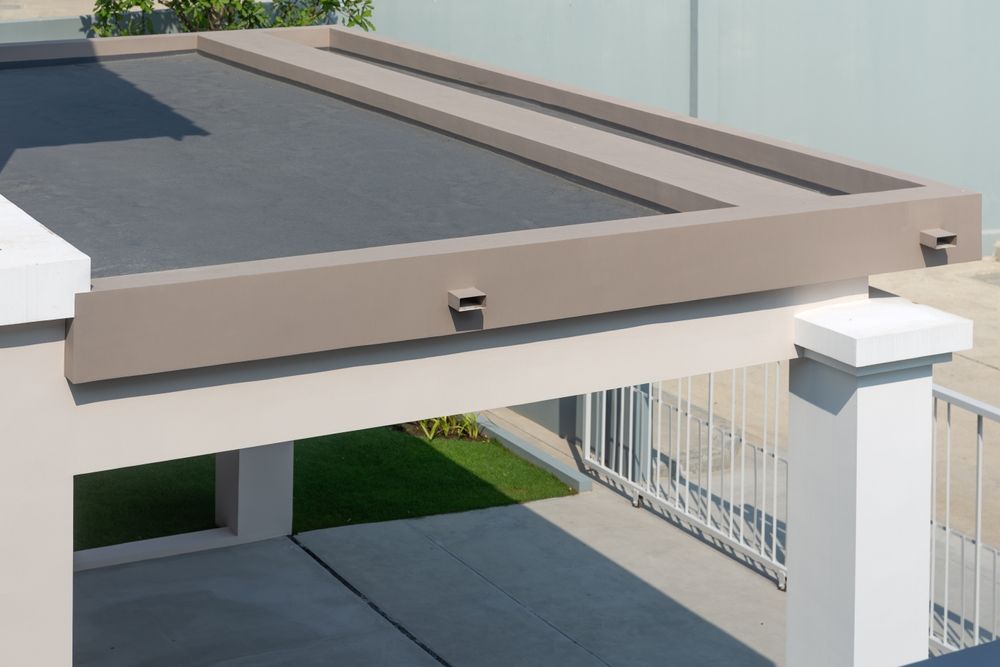
Water pooling on commercial flat and low-slope metal roofing systems after rainstorms often indicates drainage issues that can shorten the lifespan of your roof. Once leaks develop, they rarely appear directly beneath the source—water travels along structural components before becoming visible inside your building. MTE Roofing installs, replaces, and repairs commercial roofing systems, including flat roofing and metal roofing solutions, helping businesses protect their facilities, inventory, equipment, and day-to-day operations.
Whether your commercial property has an aging membrane, deteriorating metal panels, separated seams, or damage caused by rooftop HVAC equipment, our team delivers durable roofing systems designed to withstand Texas weather while minimizing future maintenance concerns. We work with TPO, modified bitumen, standing seam metal roofing, and other commercial roofing materials selected for long-term performance and energy efficiency.
Every commercial roofing installation begins with proper substrate preparation, insulation that meets current energy code requirements, and expert installation techniques specific to each roofing system. Heat-welded TPO membranes provide highly reflective surfaces that help lower cooling costs, modified bitumen offers exceptional durability against hail and foot traffic, and commercial metal roofing delivers outstanding longevity, weather resistance, and low maintenance for businesses seeking a long-term investment.
Schedule a commercial roofing evaluation today to assess the condition of your commercial roof, identify potential problem areas, and determine the remaining service life of your flat or metal roofing system.
How Commercial Roofing & Metal Roofing Provide Long-Term Protection
Preventative commercial roofing maintenance programs help extend the life of flat and metal roofing systems by addressing small issues before they become costly disruptions. Regular maintenance includes resealing penetrations, clearing drains and gutters, inspecting seams and flashing, tightening metal roof fasteners, and evaluating the roof after severe weather. Experienced project management coordinates work around your business schedule to minimize interruptions, while strict safety protocols protect employees, customers, and workers throughout the project.
After a properly installed or restored commercial roofing system is in place, you'll notice fewer leaks, improved energy efficiency, and more consistent interior conditions. Dry insulation, secure seams, and properly functioning drainage all contribute to a roof that performs reliably year after year. Routine inspections help identify minor concerns before they escalate into expensive repairs, allowing businesses to avoid emergency service calls, interior water damage, and unexpected downtime.
Commercial roof inspections and leak detection services utilize infrared scanning, moisture meters, and thorough visual evaluations to locate hidden water intrusion in flat and metal roofing systems before it causes visible interior damage. Early detection allows targeted repairs that are significantly more cost-effective than full roof replacement while helping property owners, facility managers, and business owners plan future maintenance and capital improvement projects with confidence.
Common Questions About This Service
Commercial property owners need clear, reliable information when choosing the right commercial roofing system for their building. Whether you're considering a flat roofing system, commercial metal roofing, repairs, or a full roof replacement, understanding your options, project timeline, and long-term maintenance requirements helps you make an informed investment. Below are answers to some of the most common questions about commercial roofing and metal roofing systems.
What's the difference between TPO and modified bitumen for commercial applications?
TPO membranes are heat-welded together creating seams stronger than the membrane itself, ideal for large uninterrupted roof areas, while modified bitumen's multiple layers provide superior puncture resistance in facilities where rooftop equipment is frequently serviced or where hail is common.
How do flat roof drainage problems develop over time?
Insulation compression, structural settling, and debris accumulation in drains create low spots where water ponds—standing water accelerates membrane degradation and adds structural load that worsens the problem.
When should replacement happen versus continued repairs?
When more than twenty-five percent of the membrane shows damage, when leaks occur in multiple locations, or when the substrate beneath has deteriorated, replacement prevents the cycle of temporary fixes that never fully resolve moisture intrusion.
What does a preventative maintenance program include?
Scheduled inspections after major storms, drain clearing before rainy seasons, sealant renewal around penetrations, and detailed documentation of roof condition that helps property owners in Katy budget for eventual replacement.
How long does commercial roof installation take for typical buildings?
A ten-thousand-square-foot facility may require one to two weeks depending on substrate repairs needed, weather conditions, and whether work must occur only during specific hours to avoid disrupting business operations.
MTE Roofing provides commercial roofing solutions for properties throughout the greater Houston area where reliable protection matters to business continuity. Arrange an on-site assessment to review your facility's specific roofing requirements and maintenance options.