
Restoring Wood Exteriors Without Losing Character
Wood Siding Repair & Replacement in Katy for weathered boards and moisture-damaged sections
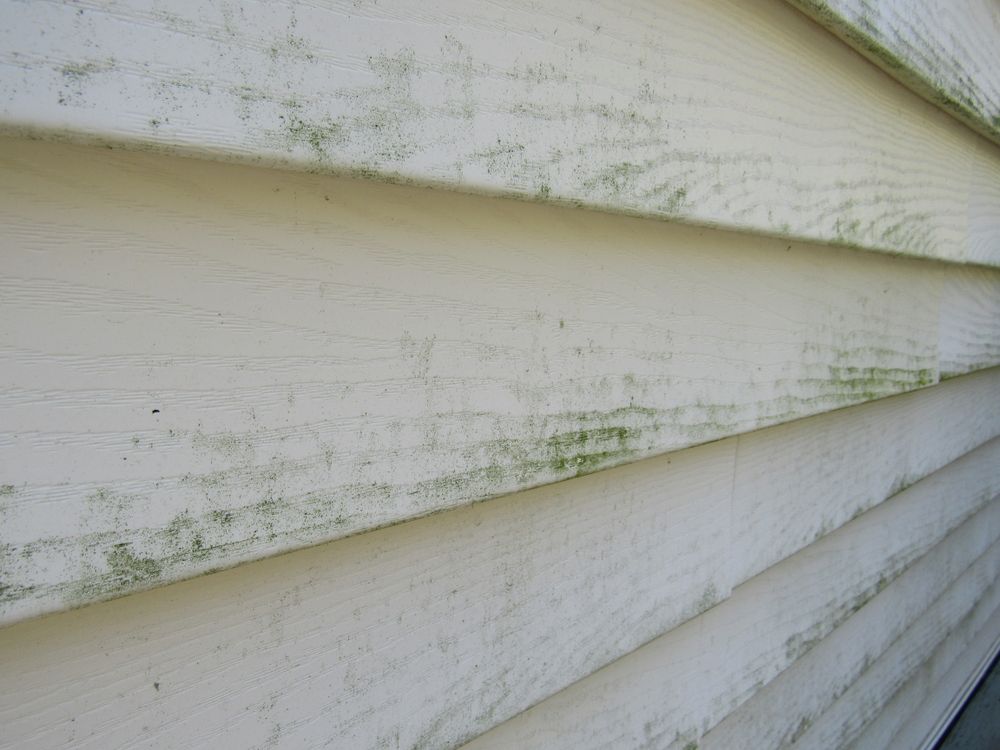
Wood siding develops problems visible from the street: boards cupped and twisted from moisture cycling, paint peeling in sheets where water got behind the coating, and sections turned soft where wood-boring insects found entry points. The greater Houston area's combination of high humidity, intense sun, and occasional freezing temperatures creates conditions where wood siding deteriorates faster than in moderate climates unless maintained with regular sealing and painting. MTE Roofing replaces rotted boards and damaged sections, matching wood species, profile dimensions, and surface texture to preserve the appearance of homes where wood siding defines architectural style.
Repairs start with removing deteriorated boards to check wall sheathing and framing for moisture damage that spread beyond the siding itself. Replacement boards are back-primed to seal end grain and rear surfaces before installation, reducing moisture absorption that causes dimensional changes and premature coating failure. Proper installation includes maintaining clearance above grade, caulking horizontal joints where water can enter, and ensuring siding overlaps correctly to shed water down and away from wall cavities.
Schedule an exterior inspection to assess siding condition and identify boards requiring replacement before rot extends into wall framing.
Why Wood Siding Fails and How to Prevent It
Wood siding fails when moisture content rises above 20 percent and stays elevated long enough for fungal decay to colonize wood fibers, breaking down cell structure until boards lose strength and develop soft, punky texture. This happens where siding contacts soil or vegetation, where gutters overflow and keep boards wet, and where failed paint allows water to penetrate grain while trapping moisture inside. Replacement addresses immediate structural concerns, but long-term performance depends on keeping wood dry through proper drainage, ground clearance, and coating maintenance that blocks liquid water while allowing vapor to escape.
After replacement, wall surfaces appear uniform without warped or discolored sections, and new boards hold paint coatings that protect wood from moisture intrusion. Homes maintain their original character when replacement boards match existing profiles—whether beveled lap siding, shiplap, board-and-batten, or vertical tongue-and-groove patterns common on older construction in this region.
Wood siding requires ongoing maintenance that vinyl and fiber cement do not, including repainting every five to seven years and periodic inspection for coating failures that allow moisture entry. MTE Roofing advises homeowners on maintenance intervals based on exposure conditions, helping extend siding life between replacement cycles.
Questions Before Starting Your Project
Property owners planning wood siding work often ask about material selection and maintenance requirements before committing to repair or replacement projects.
What wood species work best for siding in humid climates?
Cedar and redwood contain natural oils that resist decay better than pine, but all wood species require coating protection to prevent moisture absorption and UV damage regardless of natural rot resistance.
How do you match existing siding profiles during repairs?
Replacement boards are milled to match the width, thickness, and edge profile of existing siding, ensuring repairs blend visually and overlap correctly with adjacent courses for proper water shedding.
When should wood siding be replaced instead of painted?
Boards showing soft spots when pressed, grain separation, or extensive cupping and warping have deteriorated beyond the point where coating alone will restore performance or appearance.
What causes paint to peel on wood siding?
Paint fails when moisture enters through cracks or unsealed end grain, gets trapped between the coating and wood surface, and creates blistering that breaks the paint film loose from the substrate as vapor pressure builds during warm weather.
How often does wood siding need maintenance?
Painted wood siding typically requires repainting every five to seven years depending on sun exposure and coating quality, with inspections needed annually to catch small failures before they allow significant moisture intrusion.
MTE Roofing handles wood siding repair and replacement using craftsmanship that preserves the architectural details original to your home. Contact our team at (281) 973-7662 to arrange an assessment of your wood siding condition and discuss replacement options.