Siding That Handles Gulf Coast Weather
Vinyl Siding Installation & Repair in Katy for storm-damaged panels and aging exterior walls
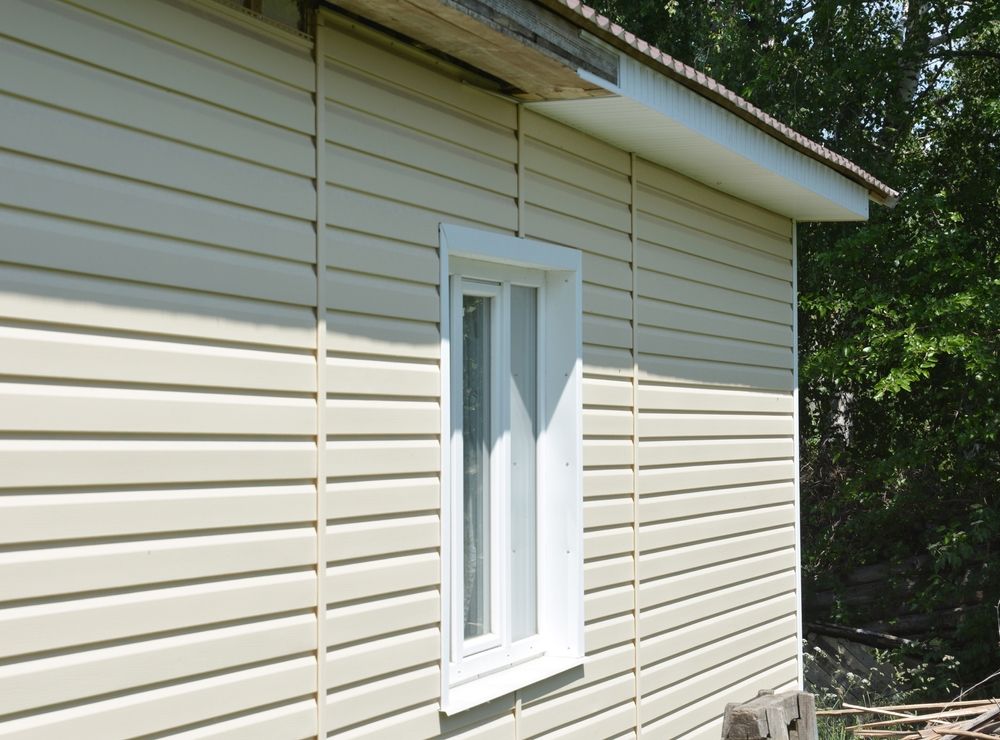
Hail impacts crack vinyl panels, high winds tear sections loose from wall sheathing, and years of UV exposure fade colors and make older siding brittle. Vinyl siding in the greater Houston area endures temperature swings from freezing winter nights to summer afternoons above 100 degrees, conditions that cause expansion and contraction in material that's fastened to exterior walls. MTE Roofing repairs damaged sections and installs complete siding systems designed to ventilate moisture behind panels while maintaining a weather-resistant barrier over wall cavities.
Repairs involve removing damaged panels, inspecting wall sheathing and housewrap for moisture intrusion, and installing replacement pieces that interlock with surrounding courses. Full installations include fastening horizontal panels to wall framing with nails driven through slotted holes that allow thermal movement, ensuring panels don't buckle during heat expansion or crack when cold temperatures cause contraction. Properly installed vinyl siding requires no painting, resists insect damage, and sheds water away from wall assemblies without absorbing moisture into the material itself.
Request a siding evaluation to identify cracked panels, loose sections, and areas where moisture has reached wall sheathing.
What You Notice Once Siding Installation Is Finished
Vinyl siding installation transforms exterior appearance with uniform color across all wall surfaces and eliminates the maintenance cycle of scraping, priming, and repainting required for wood siding. Panels overlap to create a drainage plane where water runs down the exterior surface without contacting housewrap or sheathing directly. Each panel hooks onto the course below it and gets fastened at the top, creating an assembly that handles wind loads while allowing individual pieces to move independently as temperatures change throughout the day.
After installation, homes show improved curb appeal with clean lines and consistent color that doesn't fade as rapidly as older vinyl formulations from previous decades. Interior walls stay drier because properly detailed siding systems include J-channels around windows and doors, corner posts that seal vertical edges, and starter strips that establish level courses from the foundation up.
Siding projects also address underlying issues discovered during removal of old materials, including rotted sheathing, missing wall insulation, or deteriorated housewrap that no longer functions as an air barrier. These repairs happen before new siding installation to ensure wall assemblies perform correctly for moisture management and thermal performance.
Common Questions About This Service
Homeowners considering siding work often want to understand material performance and what the installation process involves before starting their project.
What makes vinyl siding durable in this climate?
Modern vinyl formulations include UV inhibitors that slow color fading and impact modifiers that keep material flexible rather than brittle, allowing panels to handle temperature extremes and storm impacts better than older products from the 1980s and 1990s.
How long does vinyl siding installation take?
Projects typically require one to two weeks depending on home size, complexity of trim details, and whether wall sheathing repairs are needed before new siding goes up.
Why do some vinyl panels crack while others stay intact during storms?
Panels crack when they're fastened too tightly without room for thermal movement, when nails are driven through the panel face instead of the nailing hem, or when aging material becomes brittle from years of UV exposure.
What happens to the old siding during replacement?
Existing siding is removed and disposed of after inspecting wall sheathing for damage, giving contractors access to repair any moisture intrusion or structural issues before covering walls with new material.
How does siding affect cooling costs?
Siding itself provides minimal insulation value, but properly installed systems reduce air infiltration around windows and doors while allowing wall cavities to dry when moisture does enter, preventing conditions that degrade insulation performance over time.
MTE Roofing provides vinyl siding installation and repair using techniques that account for material movement and moisture management in humid coastal climates. Reach MTE Roofing at (281) 973-7662 to discuss siding options for your property.