
Complete Restoration After Water Intrusion
Exterior Painting & Drywall Repair in Katy for homes recovering from roof leaks and storm damage
Ceiling stains spread outward from the moisture source, drywall tape loosens and bubbles along seams, and paint blisters on exterior walls where water penetrated siding during wind-driven rain events. After addressing the roofing or exterior failure that allowed water entry, repairs focus on restoring interior surfaces and exterior finishes damaged by moisture intrusion. MTE Roofing coordinates drywall repairs with exterior painting across the greater Houston area, handling the complete restoration process from structural drying through final coating application on homes affected by leaks, storm damage, or chronic moisture problems.
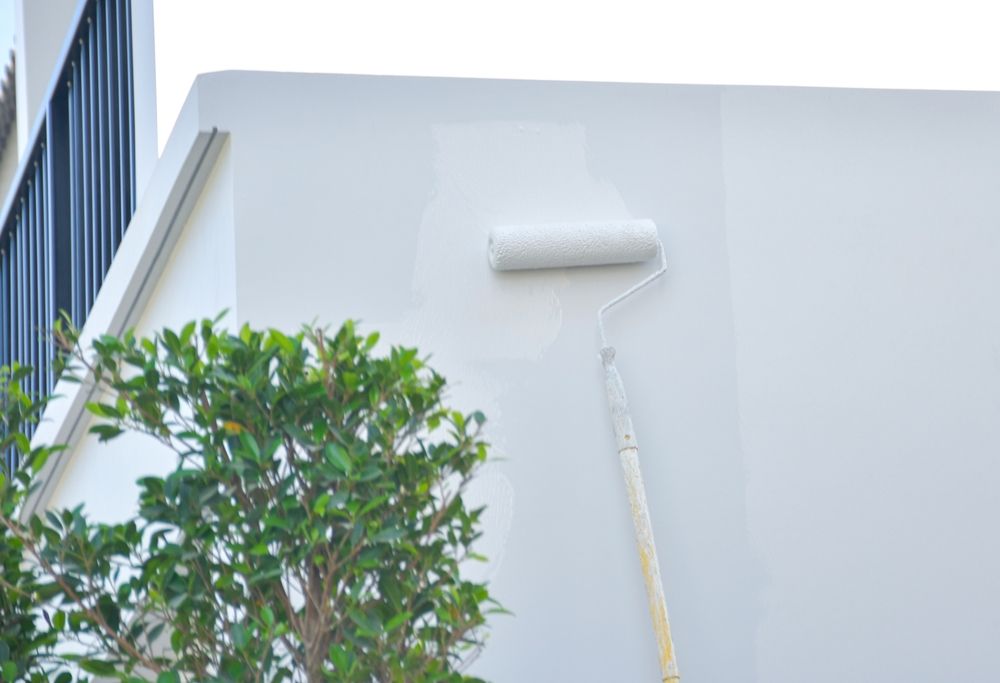
Drywall repair involves cutting out water-damaged sections, confirming framing and insulation have dried to acceptable moisture levels, and installing new drywall with taped and finished seams that blend invisibly with surrounding surfaces. Exterior painting requires surface preparation that removes failed coatings, addresses wood rot or substrate damage, and applies primer and finish coats designed to handle UV exposure and moisture vapor transmission without blistering or peeling prematurely.
Request a free estimate to evaluate damage extent and receive detailed restoration recommendations for both interior and exterior repairs.
What Changes After Complete Exterior Restoration
Restoration work follows a sequence: structural repairs first, then drying, followed by drywall and painting once moisture readings confirm materials have reached equilibrium with ambient conditions. Rushing repairs before substrates dry leads to coating failure, mold growth on concealed surfaces, and recurring damage that requires repeating the work. Quality preparation includes scraping loose paint, sanding rough edges, priming bare wood or new drywall, and caulking gaps where dissimilar materials meet—steps that determine how long coatings last before maintenance becomes necessary again.
Once finished, ceilings show no evidence of previous staining, seams lie flat without ridges or depressions, and exterior walls display uniform color and sheen across all surfaces. Properly applied exterior coatings form a barrier that sheds water while allowing vapor to escape from wall cavities, preventing moisture from being trapped behind impermeable films that cause blistering during temperature swings.
Painting projects also improve curb appeal and provide an opportunity to address small maintenance items discovered during surface preparation, including loose trim boards, failed caulking around windows, or rotted wood that needs replacement before painting can proceed. MTE Roofing handles these repairs as part of comprehensive exterior restoration rather than requiring homeowners to coordinate multiple contractors.
What Property Owners Usually Ask
Customers recovering from water damage or planning exterior updates often have questions about repair processes and coating performance expectations.
How long does drywall need to dry before repairs can proceed?
Moisture readings should drop below 12 percent before installing new drywall to prevent mold growth and coating adhesion problems, which typically takes several days to a week depending on ambient humidity and airflow.
What causes exterior paint to fail prematurely?
Paint blisters and peels when moisture gets trapped between the coating and substrate, when surfaces weren't properly cleaned and primed before application, or when low-quality coatings break down quickly under UV exposure and temperature cycling in this climate.
Why does ceiling staining sometimes reappear after painting?
Stains bleed through new paint when water-soluble compounds in damaged drywall aren't sealed with stain-blocking primer before applying finish coats, allowing discoloration to migrate through the paint film.
What preparation work matters most for long-lasting results?
Surface cleaning, scraping loose coatings, priming bare substrates, and caulking gaps contribute more to coating longevity than the number of finish coats applied over poorly prepared surfaces.
How often does exterior paint need refreshing?
Quality exterior coatings typically last seven to ten years in the greater Houston area before fading, chalking, and minor cracking indicate repainting should be scheduled, though south- and west-facing walls may show wear sooner from intense sun exposure.
MTE Roofing provides exterior painting and drywall repair using preparation and finishing techniques that restore homes to pre-damage condition after water intrusion events. Call (281) 973-7662 to discuss your restoration needs and timeline for completing both interior and exterior work on projects of every size.