Small Issues Caught Before Major Failures
Commercial Roof Maintenance in Katy for property managers protecting building investments through preventative inspection schedules
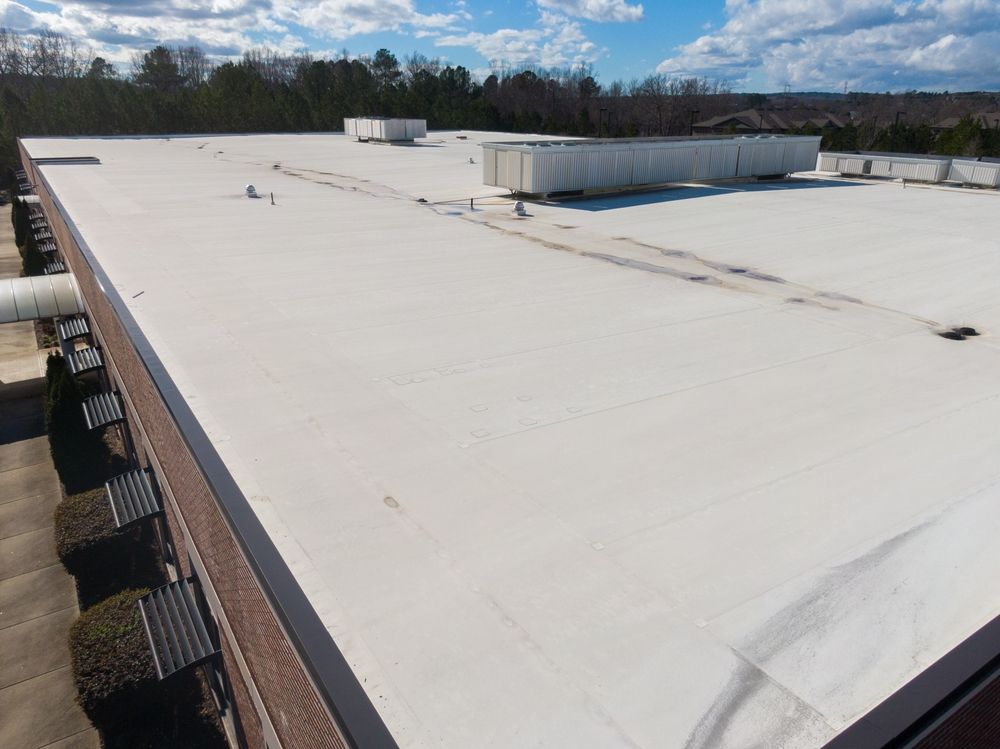
Low-slope commercial roofing across the greater Houston area deteriorates predictably when drainage paths become blocked, membrane seams begin separating, or flashing pulls away from parapet walls, but scheduled maintenance identifies these conditions while repairs remain minor and inexpensive. MTE Roofing provides routine inspection and preventative service for commercial properties where roof failures interrupt business operations, damage inventory, and create liability concerns that far exceed repair costs. Property managers typically arrange maintenance after noticing interior water stains, increased energy costs from compromised insulation, or when tenant complaints about temperature control suggest roof system problems.
Maintenance programs include scheduled inspections that examine membrane condition, clear debris from drains and scuppers, verify flashing adhesion, and identify punctures or surface deterioration before leaks develop, creating documented service records that demonstrate due diligence and support warranty requirements. Commercial roofing systems—whether TPO, EPDM, modified bitumen, or built-up—perform reliably for decades when properly maintained, but Houston's heat accelerates membrane aging and severe weather creates failure points that require professional attention.
Request a maintenance consultation to establish inspection frequency and service protocols appropriate for your roofing system and property use.
What Routine Inspections Prevent Long-Term
Preventative maintenance focuses on the failure points most common in commercial low-slope systems: ponding water areas where membrane degradation accelerates, roof penetrations where sealants dry and crack, and seam locations where thermal movement causes separation over time. Inspections document these conditions with photography and measurements, tracking changes across service visits to identify deterioration trends before emergency failures occur, while immediate minor repairs address small punctures, loose flashing, and blocked drains during the inspection visit.
Properties on maintenance schedules experience fewer emergency leak calls, extended roof system lifespan, and lower total roofing costs compared to reactive-only service approaches. You'll notice that inspection reports identify specific concerns with location references and recommended action timelines, providing the information needed for budget planning and repair prioritization rather than facing unexpected failures that require immediate expensive response.
Detailed service records created during maintenance visits document roof condition over time, supporting warranty claims when failures occur and demonstrating proper building care for property sale transactions or insurance underwriting reviews. The inspection process adapts to different commercial roofing types, addressing the specific vulnerabilities of each system—fastener corrosion on metal roofs, shrinkage on EPDM membranes, granule loss on modified bitumen, or blister formation on built-up systems.
What Property Owners Usually Ask
Commercial property managers need maintenance programs that balance cost control with reliable roof performance and proper documentation.
How often should commercial roofs in Katy receive maintenance inspections?
Most commercial properties benefit from semi-annual inspections timed before and after severe weather season, allowing debris clearing and minor repairs in spring before summer heat, then damage assessment and drainage verification in fall before winter rain, though high-debris locations or aging systems may warrant quarterly service.
What does a commercial roof maintenance inspection actually include?
Inspections examine the entire roof surface for punctures, tears, and wear patterns, check all penetration flashings and sealants, verify drain function and clear blockages, test seam integrity at vulnerable locations, and document findings with photographs and written reports that track condition changes over time.
Why does ponding water on flat roofs require attention?
Water that remains on roof surfaces more than 48 hours after rain accelerates membrane deterioration through UV exposure amplification and chemical breakdown, while also increasing load on structural systems and creating leak entry points at any small membrane imperfection that would otherwise remain weathertight on properly draining surfaces.
What maintenance tasks can extend commercial roof lifespan?
Regular debris removal prevents drain blockages and abrasion damage, prompt minor repairs stop small problems from expanding, sealant replacement at penetrations prevents leak development, and surface coatings applied before membrane degradation becomes severe can add years of service life at a fraction of replacement cost.
How do maintenance records support warranty claims?
Manufacturer warranties typically require documented routine maintenance as a coverage condition, and detailed inspection records showing proper care and timely repairs demonstrate compliance with warranty terms, while also providing the failure history and service timeline adjusters need when evaluating claims for material defects versus maintenance neglect.
MTE Roofing develops maintenance plans tailored to your specific roofing system, property use patterns, and budget requirements, providing consistent service that prevents costly failures. Arrange an initial roof assessment to establish baseline conditions and determine appropriate inspection frequency for your commercial property.