Protecting Roofline Integrity From Hidden Moisture
Fascia & Soffit Repair & Replacement in Katy for homes with visible wood rot and ventilation concerns
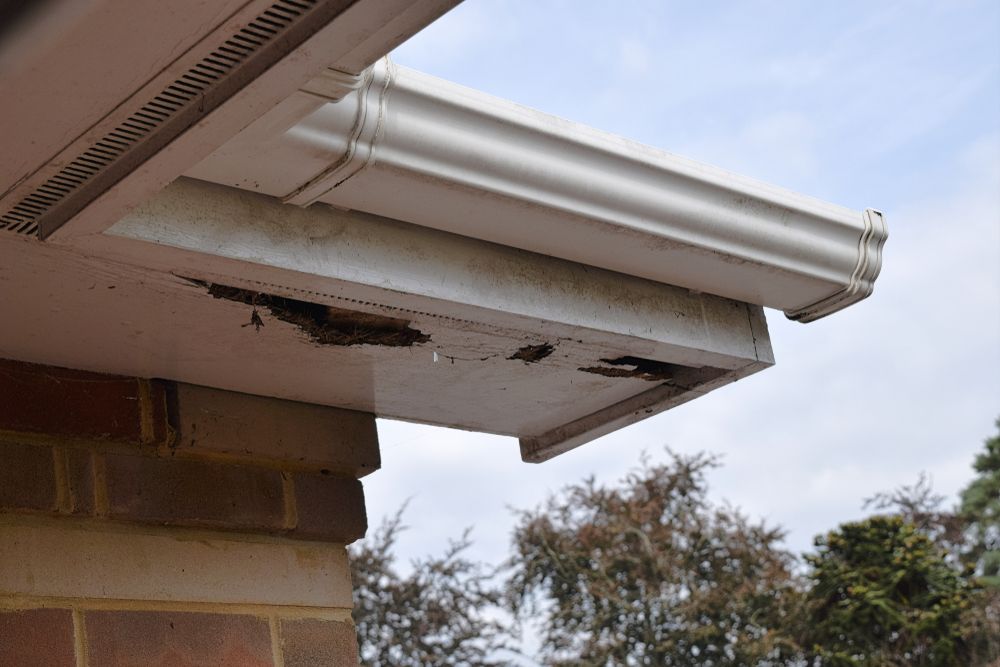
Wood rot along rooflines shows up as dark staining, soft spots when pressed, or sections where paint peels repeatedly despite repainting. MTE Roofing replaces damaged fascia boards and soffit panels across the greater Houston area, addressing deterioration caused by gutter overflow, wind-driven rain, and inadequate attic ventilation. These components form the finished edge where roofing meets exterior walls, and when they fail, moisture enters wall cavities and roof decking behind them.
Fascia boards attach directly to rafter tails and provide the mounting surface for gutter systems, while soffits enclose the underside of roof overhangs and contain vents that allow air circulation into attic spaces. Replacement involves removing deteriorated sections, inspecting the structural framing behind them for moisture damage, and installing new materials that match existing trim profiles and exterior finishes. Properly vented soffits work with ridge vents to create continuous airflow that reduces attic temperatures and prevents moisture accumulation on roof decking.
Arrange an inspection to evaluate fascia and soffit condition before concealed damage extends into roof framing.
How Fascia and Soffit Replacement Addresses Moisture Intrusion
The replacement process starts with removing damaged boards to expose rafter ends and roof sheathing, checking for rot that has spread into structural components. In the greater Houston area's humid climate, wood exposed to repeated wetting from gutter leaks or insufficient drip edge deteriorates faster than in drier regions. New fascia boards are primed on all sides before installation to seal wood grain against moisture absorption, and soffit panels include perforated sections sized to meet attic ventilation requirements based on square footage.
After replacement, rooflines appear uniform without sagging or discolored sections, and gutters mount securely to solid backing instead of compromised wood. Attic temperatures drop during summer months when ventilation improves, reducing the load on cooling systems and extending shingle life by preventing excessive heat buildup on roof decking.
Fascia and soffit work often coincides with gutter replacement or roofing projects, since these systems interact to manage water at the roofline. MTE Roofing coordinates exterior work to address all deteriorated components in one project phase rather than requiring multiple service visits as additional damage becomes visible.
Answers to Frequent Service Questions
Property owners often ask about the relationship between trim components and larger roofing system function when planning exterior repairs.
What causes fascia boards to rot?
Chronic exposure to moisture from overflowing gutters, missing drip edge, or inadequate roof overhang allows water to soak into wood grain faster than it can dry, creating conditions where fungal decay breaks down wood fibers.
How does soffit ventilation affect the roof?
Vented soffits allow cooler outside air to enter attic spaces at the eaves, creating airflow that exits through ridge vents and carries away heat and moisture that would otherwise condense on roof decking and insulation.
When should fascia be replaced instead of repaired?
Wood that feels spongy when pressed, shows extensive discoloration, or has sections where grain structure has broken down requires full replacement since compromised wood cannot hold fasteners or support gutter weight reliably.
What materials work best for fascia and soffit in this climate?
Primed and painted wood remains common for matching existing trim profiles, while composite materials resist moisture better and eliminate rot concerns in areas with chronic exposure to humidity and rainfall.
Why do some homes have more soffit damage than others?
Homes with minimal roof overhang, inadequate gutter systems, or attic ventilation that relies only on gable vents experience more moisture exposure on soffits compared to homes with wide eaves and balanced intake-exhaust ventilation design.
MTE Roofing handles fascia and soffit replacement that restores structural support along rooflines and improves attic ventilation performance. Call (281) 973-7662 to schedule an evaluation of your home's exterior trim condition and ventilation adequacy.